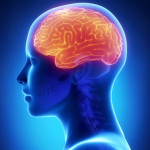
It’s not necessary to be a scientist or know about brain chemistry in order to deal with drug addiction. However, both addicts and their loved ones may get some insight from learning how drug addiction affects the brain. A bit more knowledge, translated into everyday language, helps us to understand why addicts become addicts. With understanding comes acceptance. We fear less, judge less, and live in the solution.
Surprising as it may seem, drugs affect our brains very similarly to other things, such as food, sex and exercise. All of these trigger a response from our limbic system. The limbic system can be thought of as the brain’s reward center. It acts just like a parent who rewards their child with ice cream after they have finished their homework and eaten their vegetables. Like a child, we need incentives in order to do things that are vital to our own health and survival. So, our brains “reward” us with chemicals such as endorphins and dopamine after we do these things. These chemicals make us feel good and give us incentive to receive more rewards further down the road.
What makes drugs different than food, sex and exercise is the amount of reward it gives us. When we do these natural things or activities, our brains regulate the chemicals that are released. However, the brain cannot regulate the reward from drugs or alcohol; in other words, the flood gates burst open and the feel-good chemicals come rushing in. The pleasure that drugs give is more intense and hits us faster, so the incentive to use them is much stronger than anything else. This fast and intense reward is what causes the progression from use to abuse to drug addiction.
Even after they physically detox, addicts still remember the reward they got whenever they used drugs. This reward is the little voice in every addict’s head that tells them to relapse. It is what tells dual diagnosis addicts that drugs are the best medicine for their anxiety or depression. It is what tells adolescent addicts that it’s okay to get high because “it’s part of growing up” or “everyone’s doing it.” It takes the right kind of treatment program, including some form of therapy, to “unlearn” the rewards of drug addiction and learn new ones.

@DTCFinder
Sean Levine
Latest posts by Sean Levine (see all)
- What is Huffing? - July 17, 2014
- If Recovery is a Cake, Treatment is the Flour - July 17, 2014
- Finding a Treatment Center: 4 Things to Consider - July 17, 2014