There’s a funny scene in Woody Allen’s Annie Hall when he goes back to his childhood home and imagines what his old schoolmates are doing: “I’m a CEO,” “I’m a janitor,” etc. Then, one says, “I used to be a heroin addict. Now I’m a methadone addict.” Whether or not Woody knew it at the time, that scene touched upon a very controversial topic in the arena of addiction treatment and addiction therapy: what is recovery, i.e. are you really sober if you are still addicted to another opioid?
The Pros and Cons
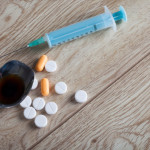
For those who are not familiar with methadone (or buprenorphine, which is similar), it’s an opioid drug that is used to treat people who are addicted to heroin, painkillers, or other drugs in the opioid class. As part of this process, “opioid replacement therapy,” the addict takes an opioid replacement instead of the one he or she is addicted to. Depending on their addiction therapy regimen, the addict may be weened off of opioids, or they may continue to take them forever. Hence the line: “I used to be a heroin addict. Now I’m a methadone addict.”
The Controversy
Opioid replacement therapy is an extremely divisive subject. One the one hand, many doctors point out that with opioid replacement, addicts lead better lives; they don’t share needles, they don’t commit crimes, and they don’t experience acute withdrawal or cravings. These are all valid points, but on the other hand most addicts who are completely sober (that is, including opioid replacements) claim that they could not have recovered while they were on opioid replacements. Drugs like methadone and buprenorphine (e.g. Suboxone) may not give users the same euphoric rush as heroin or other opioids, but they still numb an addict. Addicts on opioid replacements don’t experience pain and pleasure the same way that they would normally; they don’t cherish the pleasure or learn from the pain. In short, opioid replacements don’t allow addicts to flourish in their recovery.
In Conclusion…
Is opioid replacement therapy a good thing or a bad thing? It can be a good thing — when used for a limited time and combined with addiction therapy. However, you don’t need a PhD to figure out that you’re still addicted if you’re in opioid replacement therapy for your entire life. Is this what you want recovery to be? The choice is yours.
If you’re addicted to opioids or other drugs, get the help you need by calling 877-968-6682 today!

@DTCFinder
Sean Levine
Latest posts by Sean Levine (see all)
- Is FedEx Your Drug Dealer? - July 22, 2014
- Addicts are Slaves… Literally! - July 21, 2014
- What is Huffing? - July 17, 2014