 Heroin is a drug that is most commonly injected, smoked, or snorted. The drug itself is an opiate, and is a “downer” that depresses the body and induces a state of relaxation and euphoria. It is an extremely addicting drug that is also very deadly. There are a number of signs that may indicate a heroin addiction, including the following:
- Dry mouth
- Shortness of breath
- Small pupils
- Disorientation
- Erratic behavior
- Periods of extreme alertness followed by suddenly falling asleep
- A “droopy” look, as if the extremities are too heavy to move
- Wearing clothing that covers the whole body even when the temperature is warm (this is often done to hide needle marks)
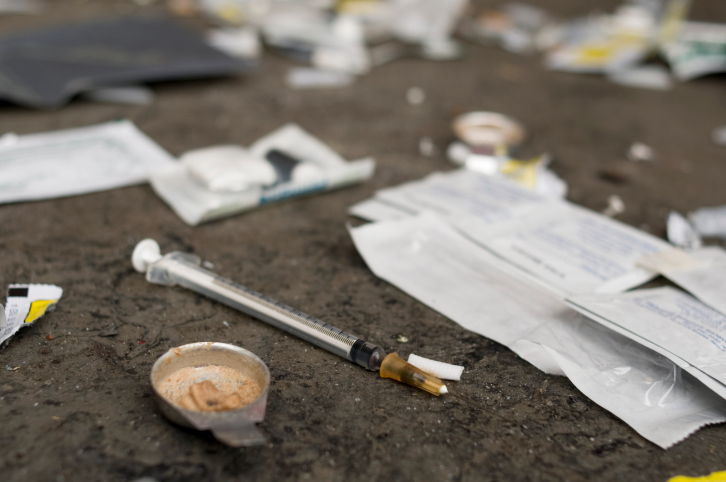
Of course, the above are not necessarily indicative of heroin addiction on their own merit, but they are the most common signs noticed by loved ones. The presence of certain kinds of paraphernalia is often a stronger indication: burned silver spoons, burned aluminum foil, needles and syringes (if not needed for other medical purposes), burned straws, plastic bags with powdery white residue on the inside, and the presence of pipes may also indicate heroin addiction.
Heroin addiction is very serious: experts estimate if an individual uses heroin for five years, their chance of developing Hepatitis C is roughly 90%. Also, as heroin is an unregulated substance, the user has no idea how strong the drug is or whether it is cut with another stronger and potentially more harmful substance. Because there is no “safe” amount of heroin to take, as compared to prescription pills, heroin users are at a high risk of overdose.
Individuals who inject heroin are also at risk for HIV and other blood-transferable diseases, particularly if they share needles. Long-term use of heroin can even cause infection of heart valves, pneumonia, and worse. There are also changes in behavior associated with heroin use, including lying, stealing for money, and a loss of motivation.
Complicating the problem is that long-term heroin use can make it medically impossible to quit “cold turkey,” as this can cause death. Heroin detox should never be attempted at home, and requires the supervision of a medical doctor to minimize risk.
If you or a loved one is struggling with a heroin dependency, it’s important to get help from professionals as soon as possible, as this drug is as deadly as it is addicting. Professional medical and psychological help is only a search away with Drug Treatment Center Finder. We can help you seek out the heroin treatment facility that is right for you or your loved one.