
Substance Abuse In College Students
College campuses are becoming notorious for drug and alcoholism, but more colleges and universities across the country are beginning to implement preventative measures for students. One in four of the nation’s college students (22.9%) meet the medical criteria for substance abuse, and drug addiction is higher among college students than the general public. Explore more about the different types of college substance abuse with our addictionary.
-
11%
of college students surveyed in the United States have consumed adderall in the previous year at least once.
-
25%
of American college students have reportedly smoked either a half or full pack of cigarettes in the past month.
-
47%
of college students in the United States have reportedly abused alcohol by binge drinking in the past month.
College is supposed to be a memorable time for young students, but the sudden stress of balancing a heavy workload and depression from being away from family make college overwhelming. The influence of peer pressure is much stronger in college because students are navigating through the route of decision making for the first time. Peer pressure and other factors will cause a student to turn to a temporary substance for recreational purposes, which often leads to addiction and abuse. According to studies, young people ages 18-25 are at a heightened risk for drug addiction, and those who choose to enroll as full-time college students are twice as likely to abuse drugs and alcohol.
Some of the most common substances used on college campuses are:
- Alcohol
- Marijuana
- Prescription medication (including stimulants, depressants, and narcotics)
- Over-the-counter drugs
- Cocaine
- Heroine
- Ecstasy
Certain student organizations and activities promote drug or alcohol use. For instance: Some fraternities and sororities will haze new members and force them to drink copious amounts of alcohol. Today, hazing is illegal but every once in awhile, college campuses come under scrutiny for extreme cases of hazing within secret societies.
In February, 21-year-old Bradley Doyley died suddenly after allegations were made that he was forced to drink a toxic cocktail while pledging to be a part of Buffalo State College’s chapter of Alpha Phi Alpha.
There are many aspects of college life that expose students to illegal substances. With the appropriate information about drugs and alcohol educating students, the influence to make better decisions will have a ripple effect across the nation.
Marijuana daily use has more than tripled over the previous two decades among college students according to the National Institute on Drug Abuse (NIDA)
Why Drugs and Alcohol?
There are a variety of factors that causes a student to turn to drugs and alcohol. Similar to the effects of behavioral health issues, circumstances affect young students trying to make difficult decisions for the first times in their lives. Contrary to popular belief, substance abuse can be more than a recreational activity when students are trying to cope with financial and emotional trauma.
Stress makes it hard for students to adjust to their busy lives. School, work, internships, relationships and financial issues are some of the reasons students will turn to drugs. A heavy academic-workload adds a lot of pressure to a student who may be the first in their family to pursue higher education. A constant stream of deadlines, research papers and exams will lead a student to alcohol or drugs. Some signs and symptoms of addiction in college are:
- Decreased interest in classes and extracurricular activities
- Drastic change in grades or academic performance
- Shifts in sleeping patterns and fluctuations of weight
- Time spent around people who have a reputation of drug abuse
- Unexplained changes in behavior or personality
- Uncharacteristic mood swings, depression or irritability
Curiosity is a part of adolescence. Students who are constantly surrounded by the fast-paced life of drugs and alcohol will want to experiment, even if they do know the risks. Peer pressure and curiosity will cause a student to do almost anything to fit in with their friends.
Eventually, a continual use of substance will lead to addictions. A student may not be aware of their addictions if drugs and alcohol are embedded into their environment.
Alcohol is the most dangerous drug on college campuses. Almost 50% of treatment for college students were related to alcohol. In the U.S., half of all full-time college students (3.8 million) binge drink, abuse medication or abuse illegal drugs According to USA Today, 4 out of 5 college students drink alcohol. Nearly half of all students who drink have reported binge drinking.
Treatment Options for Students
Treatment options specifically for college students are becoming more prevalent on college campuses across the U.S.There are various treatment options a college student can consider when seeking rehab and recovery from addiction.
Medical detox is the first step of treatment. After being addicted to drugs for a long period of time, the body begins to become dependent on it. Therefore, detox purges the body of those toxins. Detox can last up to 7 days and is supervised around-the-clock by a team of medical specialists.
After detox, it is recommended that a student go to a treatment facility where they can also live. A resident facility offers patient care 24/7 in a supportive and safe environment. While at an inpatient facility, the students will learn how to live without substances with the help of counseling, therapy and medication. Therapy and 12-step group classes are just some of the resources that can help the student identify the underlying issues of their addiction.
After a student completes a longer inpatient treatment, they may find more support for their recovery at an outpatient facility. For a college student, going back into their environment after treatment may pressure them into relapse. An intensive outpatient treatment will allow the student to continue to go to school and work while maintaining their sobriety with counseling. Therapy and counseling at an outpatient facility usually last for 1-5 days for 3 hours a day. Continuing to learn the methods taught at a residential facility can help a college student with their transition back into their normal lives.
Across the U.S., there are now more than 135 collegiate recovery programs that can help students who are in recovery from drug and alcohol addictions. These collegiate programs offer an environment where college students in recovery can relate to one another and help each other along the way. The program includes sober housing, 12-step meetings, counseling and sober free activities to help students remain sober while achieving their goal of obtaining a degree.
Nearly four times more non-college young adults smoke half a pack of cigarettes or more daily than full-time college students according to the NIDA.
Is Treatment Right For Me?
Although addictions may be seen as taboo for college students who are “just looking to have a good time,” treatment will redirect your focus back to more important things. Treatment may not be an easy transition. After adjusting to a college’s environment without friends and family, the last thing a student may want to do is go into another foreign environment. But, if you’re a student, taking the step toward acknowledging an addictive issue will grow into making more responsible and mature decisions.
To find out more information about collegiate treatment programs, visit the Association of Recovery in Higher Education.
-
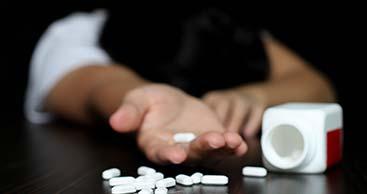
There has been a 450 percent increase in the number of reported students who abused tranquilizers such as xanax and valium.
-

In the United States, nearly 110,000 students, mostly between the ages of 18 to 24 are arrested every year for an alcohol related incident.
-

According to the National Institute on Alcohol Abuse, a recent survey showed that nearly 80 percent of college students abused alcohol.